
Analyze the best time to book Chiang Mai Marriott Hotel in in Chiang Mai based on 12-month price forecast
gaj restaurant
The hotel was very luxurious, and the staff were exceptionally friendly and helpful; they were consistently polite and attentive to our needs throughout our stay. The location is perfect, as it is close to everything. Thank you to the hotel for celebrating my birthday and our special occasion.
Chiang Mai Marriott is centrally located on Chang Klan Road above the famous Night Bazaar, placing guests within easy walking distance or a short drive of Chiang Mai's top attractions: the vibrant Night Bazaar, the Old City with its historic temples (Wat Phra Singh, Wat Chedi Luang), local markets such as Warorot, the trendy Nimmanhaemin area, and day-trip access to Doi Suthep for panoramic views. The hotel is ideal as a base for both cultural sightseeing and enjoying the city's nightlife, markets, dining and spa experiences.
A sprawling evening market with stalls selling souvenirs, clothes, street food and local handicrafts. Vibrant nightlife and convenient for shopping and dining.
Historic city gate and the Old City area filled with temples, cafés, galleries and traditional Lanna architecture.
One of Chiang Mai's most revered temples, known for its beautiful Lanna architecture and important Buddha image.
Historic temple featuring a partially ruined chedi (stupa) and a central role in Chiang Mai's religious history.
Iconic mountaintop temple overlooking Chiang Mai with panoramic views; popular for sunrise/sunset visits.
Trendy neighborhood known for boutique shops, cafés, art spaces and nightlife—great for modern Thai culture and dining.
Traditional local market offering fresh produce, northern Thai foods, textiles, and household items—great for an authentic local experience.
Make the most of your stay at Chiang Mai Marriott Hotel with this convenient itinerary that covers the best attractions in in Chiang Mai:
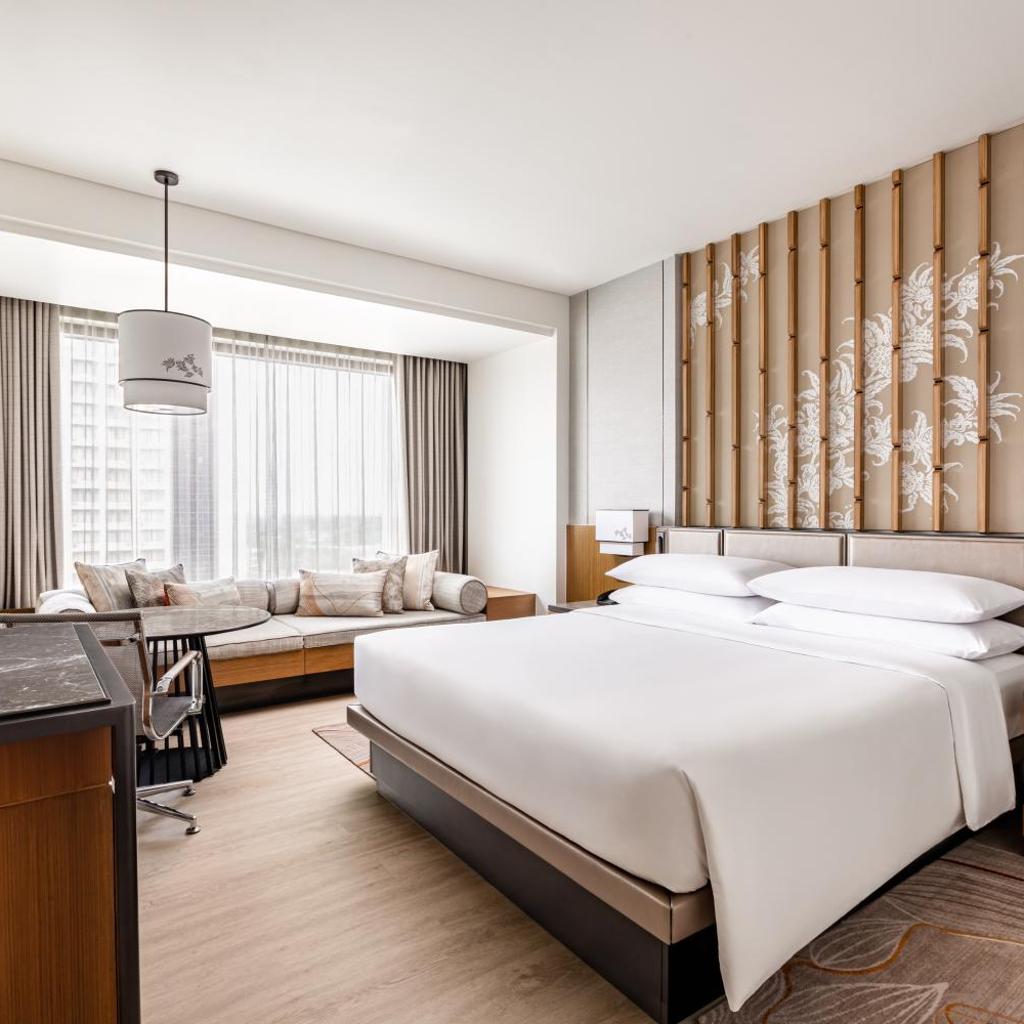
Chiang Mai is a relaxed, culturally rich city in northern Thailand with well-preserved temples, vibrant markets, and easy access to natural attractions like Doi Suthep and nearby hill-tribe villages. It combines traditional Lanna heritage with a growing contemporary café and arts scene. Chiang Mai Marriott is an excellent choice because it sits in a prime location above the Night Bazaar—ideal for shopping and evening entertainment—offers spacious and comfortable rooms, a high-quality breakfast, a well-regarded spa, rooftop/mountain-view pool, and attentive service (many guests praised staff hospitality and personalized touches such as birthday celebrations). The hotel's mix of convenience, amenities and service makes it a strong base for both first-time visitors and repeat travelers wanting to explore Chiang Mai.
Seasonal guide to help you plan the perfect trip to in Chiang Mai
Winter
November–February (cool, dry) with peak visitor numbers and highest prices.
May–October (monsoon) when hotels and tours offer discounts; expect rain but fewer crowds and lower costs.
March–May. Temperatures climb; late-February into April can see agricultural burning haze some years (air quality drops). Songkran (Thai New Year) happens in April and is a major attraction.
Usually in November (the full moon of the 12th lunar month). Yi Peng involves lantern releases; Loy Krathong features floating offerings on waterways.
Mid-April. Nationwide water festival celebrated with spirited water fights and traditional rites.
Typically in February. Flower displays, parades, agricultural exhibits and gardens in full bloom.
Usually in January in Bo Sang (San Kamphaeng), celebrating the region’s umbrella-making craft.
Weekly markets — Sunday Walking Street on Ratchadamnoen Road, and nightly markets like Chiang Mai Night Bazaar, run most evenings year-round.
Monitor two local weather concerns: the monsoon (May–October) brings sudden heavy showers and muddy conditions in rural areas, while the agricultural burning season (roughly February–April some years) can cause high PM2.5 levels. Check short-term forecasts and AQI (Air Quality Index) apps; carry a light waterproof jacket and a high-quality particulate mask if visiting in early spring. Plan outdoor treks and sunrise trips for early morning when air and weather are often at their best.
Chiang Mai’s hotel and tour prices shift clearly with seasons and festival demand. Peak prices occur in the cool, dry high season when international and domestic tourists flock to the city; short-term spikes happen around Loy Krathong/Yi Peng and New Year. Value windows are mid-monsoon (May–October) when hotel rates and some tour operators drop rates significantly. The smoky 'burning season' (roughly February–April) can depress demand on bad-air days (lowering prices for last-minute deals) but popular domestic travel days like Songkran (April) still push prices up. Weekends, long holidays, and major events create short-notice price surges—book accommodations 1–3 months ahead for normal travel, 3–6 months for festival periods or peak winter holidays.
Insider advice to help you make the most of your visit
Chiang Mai is compact and easy to navigate by a mix of walking (Old City), tuk-tuk/red songthaew, Grab, motorbike taxis, and rental vehicles for day trips.
Base yourself in the Old City or Nimmanhaemin area for easy access to temples, markets and cafes; book festival-period stays 3–6 months ahead for Yi Peng/Loy Krathong. If you want to escape crowds while still enjoying northern Thailand, arrange a sunrise trek or coffee farm visit mid-week and hire a local guide for off-the-beaten-path village experiences.
Everything you need to know about your stay at Chiang Mai Marriott Hotel
If you couldn't find the answer to your question, please don't hesitate to contact the hotel directly. Contact Chiang Mai Marriott Hotel directly to confirm reception hours and available assistance.
Optional email after a qualifying drop — free, no credit card